Environment
-
How Airborne Microplastics and Nanoplastics Contribute to Climate Change and Atmospheric Warming
Find out how airborne microplastics and nanoplastics may contribute to climate change through heat absorption, cloud interactions, and atmospheric warming from microplastics.


Latest Research Articles
-

Real Neanderthal Extinction Cause: What Neanderthals vs Homo sapiens Survival Tells Us
-

Could Another Supercontinent Like Pangaea Form in the Future? What Scientists Predict
-

Tornado Behaviors You Should Know: Safety Guide for People Living in Tornado-Prone Areas
-

Carbon Credits Saved Tropical Forests—But Over-Crediting Inflated Them 10X
-

Mount Etna Shocks Scientists: First Giant Petit-Spot Volcano Powered by Deep Mantle Magma
-

How Permafrost Thaw Triggers Ancient Carbon Release Into Transforming Arctic Rivers
-

How Climate-Driven Tree Loss Is Accelerating California Habitat Degradation and Endemic Species Extinction
-

Ground Motion Simulations Reveal Shocking Earthquake Predictions for Hayward Fault
-

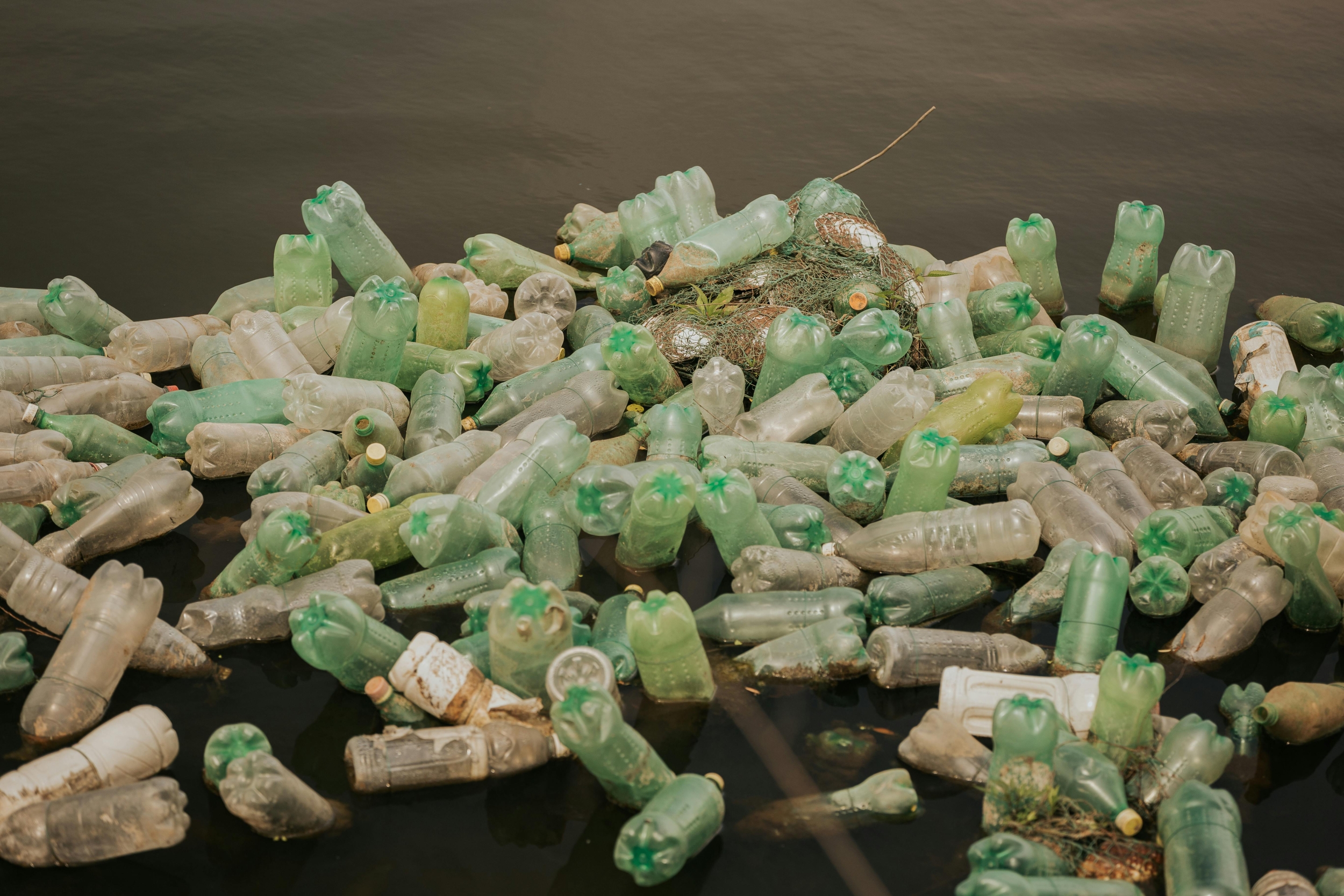
What Are the Main Causes of Marine Pollution? Major Ocean Threats and Environmental Impact
-

Inside the Methana Volcano's 100,000-Year Magma Accumulation Cycle Revealed by Zircon Crystals
-

How Autonomous Robotic Monitoring Solved the Antarctic Sea Ice Collapse and Ocean Stratification Mystery
-

GOFLOW AI Breakthrough: Unveiling Hidden Ocean Currents Never Seen Before


MOST POPULAR
-

Greek Mountain Snow Decline Accelerates as Greece Snow Cover Study 2026 Reveals Climate Change Impact
-

New Study Improves Past Ocean Change Records and Foraminifera Climate Proxy Accuracy
-

How Seals Detox After Foraging Trips and Recover After Deep Dives Using Heart Rate
-

How Airborne Microplastics and Nanoplastics Contribute to Climate Change and Atmospheric Warming
-

Strange Humpback Whale Behavior and Mysterious Gaping Behavior Leave Scientists Baffled


